FinPro Industry Intelligence Monthly Insight November 2025

November 2025 was a month defined by a clear industry theme: Compliance Tightening balanced by Digital Opportunity.
While global corporate registries (specifically in the UK and Singapore) moved further toward strict transparency and enforcement, regulators in fintech hubs opened new doors for stablecoins and digital payments. For industry operators, the message is consistent: the barriers to entry are rising, but so are the rewards for those who navigate the rules correctly.
Below, we break down the month’s critical developments across company formation, licensing regimes, banking KYC, and trading platform infrastructure.
Company Registration & Registry Developments
Global business registries are rapidly digitizing to close loopholes, with significant impacts on how companies are formed and maintained.
United Kingdom (Companies House):
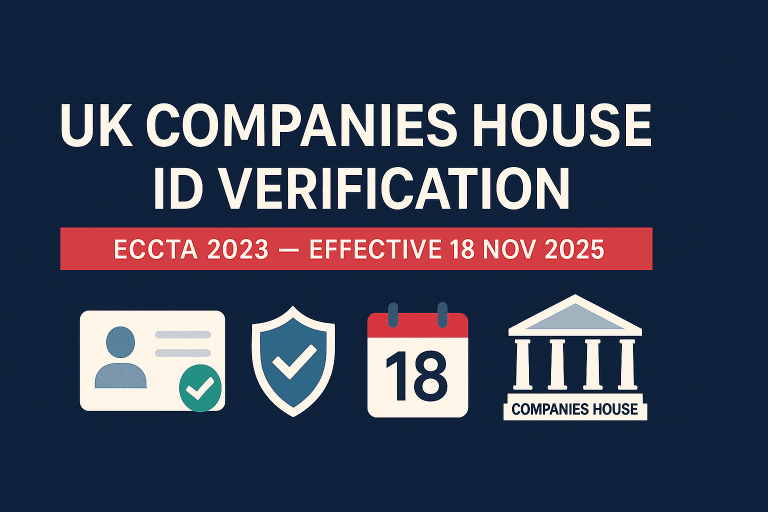
- Mandatory ID Verification: Effective 18 November 2025, it is now unlawful for an unverified person to act as a director or Person of Significant Control (PSC).
- Enforcement: Companies House has outlined a strict enforcement approach ranging from “nudges” to prosecution. With only a fraction of the ~7 million directors verified, we expect administrative disruptions but ultimately a more reliable data environment for banking compliance.
Singapore (ACRA):
One Stop Incorporation: On 24 November 2025, ACRA launched the “Register New Business Entity” service. New companies can now file beneficial owner and nominee director registers simultaneously with incorporation, streamlining the stricter rules introduced earlier this year.
CSP Deadline: Corporate Service Providers must register with ACRA by 9 December 2025, marking a new era of professionalization in the sector.
Financial Licensing Updates
Regulators in major jurisdictions are balancing innovation “sandboxes” with strict oversight of existing licensees.
UK & EU (Crypto/Fintech):
UK Sandbox: The FCA opened applications for its stablecoin regulatory sandbox on 26 November 2025, a major move to attract responsible crypto innovation post Brexit.
EU MiCA: With the Markets in Crypto Assets (MiCA) framework fully effective by end of year, major players (like eToro and Revolut) are securing authorizations via hubs like Cyprus to passport services EU wide.
Singapore (MAS):
Singapore continues to attract top tier fintechs. On 12 November, the Monetary Authority of Singapore granted a Major Payment Institution (MPI) license to a subsidiary of Banking Circle, reinforcing the city state’s dominance in cross border payments.
Australia (ASIC):
ASIC highlighted the looming 31 March 2026 expiry of transitional relief for Foreign Financial Services Providers. With no permanent legislation yet passed, foreign brokers serving Australian clients must urgently prepare contingency plans or seek a full AFSL.
Banking, KYC & Account Opening Trends
The banking landscape is shifting from “de risking” to “smart compliance.”
- Post Grey List Opportunities: Following the October removal of Nigeria and South Africa from the FATF Grey List, compliance teams are beginning to lower internal risk ratings. We expect smoother account openings and reduced “Enhanced Due Diligence” (EDD) friction for these markets in 2026.
- The “Dual Banking” Standard: The emerging best practice for 2026 is no longer choosing between a bank or a fintech, but using both.
- Strategy: Maintain a traditional bank account for stability/reputation and an EMI (Electronic Money Institution) account for speed/multi currency flexibility. This redundancy ensures business continuity if one account faces a compliance freeze.
- Digital ID Maturity: Video KYC and digital identity wallets are gaining traction in the UAE and EU, allowing for faster remote onboarding. Banks utilizing modern RegTech are now processing “well organized KYC packages” significantly faster.
Digital Infrastructure: Domains & Email
The hidden “plumbing” of online business—domains and hosting—saw important policy and pricing shifts in November.
- WHOIS Transparency (RDRS): ICANN is moving to make the Registration Data Request Service (RDRS) mandatory. This will eventually standardize how law enforcement and IP lawyers access hidden domain owner data, making it easier to combat brand impersonation and phishing sites.
- Rising Costs:
- Domains: Wholesale prices for 200+ domain extensions increased in 2025.
- SaaS: Google Workspace (+20%) and Microsoft 365 adjusted pricing to account for AI features.
- Advisory: FinPro recommends clients factor these “new normal” infrastructure costs into their 2026 budgets.
FinPro Consulting continues to monitor these global changes to help our clients navigate company formation, licensing, and banking with confidence.
Ready to align your business with these new standards? Contact the FinPro team today.